
Detailed 1:1 modeling
All equipment can be modeled at 1:1 scale to accurately reproduce production scenes and layouts, with appearances, textures and structures matching the real production line.
Digital Twin Visualization and Monitoring Development Platform
Connects 3D scenes with real-time data to create digital twin monitoring systems that support visualization and management.
Talk to an expert
Built on JINSYS proprietary digital twin technologies, this platform develops 3D visualization systems for intelligent manufacturing and provides integrated digital twin solutions. Scene construction, equipment motion configuration, multi-source data integration, data organization and output, and charting help businesses quickly build digital twin operations and maintenance systems for safer production, efficient management and intelligent factory operations.
A customized industrial IoT platform collects multi-source data in real time and synchronizes it with the digital twin system. It monitors and displays equipment, personnel, processes, production, logistics and warehousing status for real-time visual operations management.
All equipment can be modeled at 1:1 scale to accurately reproduce production scenes and layouts, with appearances, textures and structures matching the real production line.
Direct equipment data acquisition and multi-source integration collect and synchronize data in real time, driving the twin scene with real data to mirror actual operations.

High-definition scene rendering produces realistic models and a clear, detailed visual experience.
Publish to PCs, web browsers and mobile devices. View scenes from any angle and monitor and manage equipment status in real time.
Model campuses and workshops in 3D, create detailed equipment models, and model products and materials.
Connect PLC and CNC control system data; MES and ERP business data; smart meter and sensor data; and UWB and RFID personnel tracking data.
Configure data-driven motion and control algorithms for typical equipment. Live data mirrors actual equipment motion in the digital twin, while motion algorithms support simulation and real-time coordinated operation.
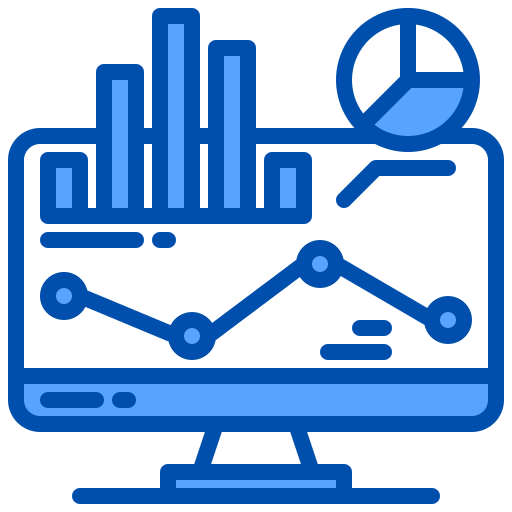
Display collected data as charts on on-site large screens. The system supports more than 20 common chart types, including bar, pie, line and scatter charts.
IoT exchanges data with third-party systems, controllers and presentation clients. Controllers connect physical equipment to the digital layer.